« November 2007 | Main | January 2008 »

December 2007

Give One Get One

Picture_4_3
From now through December 31, 2007, One Laptop per Child (OLPC) is offering a Give One Get One promotion in the United States and Canada. For a donation of $399, one XO laptop will be sent to empower a child in a developing nation and one will be sent to the child in your life in recognition of your contribution. The XO was designed with real world extreme environmental (like high heat and humidity), and technological issues (like local language support) in mind. As a result the XO laptop is extremely durable, brilliantly functional, energy-efficient, responsive, and fun. This is the first time the XO has been available to public for purchase. 
Picture_6_2

Up to $200 of your donation may be tax-deductible (your $399 donation minus the fair market value of the XO laptop you will be receiving). To top it off T-Moble has partnered with the program to offer all U.S. donors one year of complimentary HotSpot access. The T-Mobile offer is valued at $350 and the HotSpot broadband internet service is available at more than 8,500 locations. Tmobilehotspot

Retail at music gigs

As a fan of live music, and a musician myself, I recently made my way to the Fillmore Auditorium where the Brian Setzer’s Orchestra was performing. Brian Setzer has performed with a number of guitars, but his primary “ax” is a Gretsch “Hot Rod” – a flashy hollow-body that Setzer designed to his own specifications. Brians
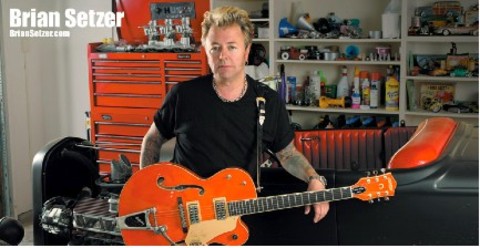
 

Gretsch markets and sells the “Hot Rod” as a signature model within the Brian Setzer series.  Of course, as a consumer, you can only purchase a brand new “Hot Rod” at retail outlets like Guitar Center.

What's this got to do with retail?

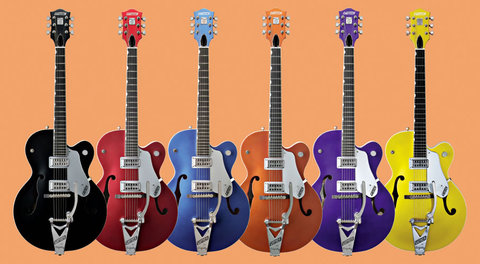
I wasn’t at Guitar Center when I recently encountered the “Hot Rod” – I was at the Fillmore.  Prior to the acts beginning, I spotted a Gretsch Guitar “pop-up” display positioned around stage right.  The pop-up featured a large graphic panel highlighting the cover of Brian Setzer’s latest CD and an even larger image of Brian himself cradling a vintage Gretsch guitar. Below was a rather large assortment of the Gretsch guitars - beautifully shimmering in a variety of luscious colors.


Neither Gretsch or Brian Setzer are brands of the masses – they can’t compete on that stage.  To that end, marketing has to be targeted and the messaging truly engaging. Communicating within an active environment where consumer are open, receptive and can interact with the brands on a purely emotional level heightens consideration.  Breaking through the clutter and noise at traditional retail outlets like Guitar Center or Virgin Music isn’t efficient for these brands or meaningful to the consumer.

While the messaging was specifically targeted at Setzer fans and Gretsch guitar enthusiast, the venue provided natural transitional moments (waiting for the show to start or that time between acts) where consumers felt comfortable interacting with the brand.  How often do brands try to reach us when we are rushed or the setting isn’t natural?

Equally, how often do celebrities endorse brands where the endorsement feels neither real nor relevant? Is a Buick really the car of choice for Tiger Woods? He knows golf inside and out, but what is his credibility with cars?

Brian Setzer knows guitars.  Brian Setzer designs guitars.  Brian Setzer shreds a guitar like no one else.  Brian Setzer plays Gretsch.  I get it.  I believe it.

So, to rephrase the question - is this retail?

At The Integer Group, we have started to think of retail as: 

“Any environment (physical or virtual) that has been constructed to process or facilitate an exchange of items of value (transaction).”
G6120shb_xl

This certainly was a physical environment and the intent was to elicit a transaction between audience and brand – I gave my time and Gretsch allowed me an intimate product experience.  I also gave something else.  Next to the row of glittering guitars was a computer kiosk.  Many of us enthusiastically gave away our names, addresses and e-mail addresses for a chance at winning a Brian Setzer autographed signature Gretsch.

Later comes the true test of audience/brand engagement.  Buying a Gretsch represents a high involvement purchase – they run about $3,000.  None of us at the Fillmore were prepared to pull out our debit cards and take one home, but I imagine (and hope) I will soon start getting e-mails and further messages from Gretsch as they have now pegged me as someone hopelessly climbing from consideration (yeah I would like one) to intent (damn, I need one).

Gretsch wasn’t selling that night and no one was making a purchase. What they did do was to place a permanent brand image squarely within the right hemisphere of my brain – the part where creativity flourishes and any inkling of reason and rational decision-making is noticeably absent.  For me, my aspiration of owning a Gretsch is the epitome of practicality.  It makes all the sense in the world.

No, they weren’t selling that night, but I was buying – buying into the realization that I really needed that guitar.

Now that’s retailing.

- Contributed by Paul Ballew

Vending recycled

We have a fantastic emporium near our offices that is a veritable treasure trove of design goodies.  Called Composition, they are our local source of Moleskin notebooks and retail all sorts of interesting bags, books, jewellery, gadgets, household and office goods.  They also do a lot with products made with recycled materials, and they currently have a recycled vending machine that is carrying products made from recycled materials.  You drop a nickel in the slot to open the door of your choice and look at the product - want to see another one? Drop another nickel in the slot.

Img_0194

It's a great use of an old machine and is a really engaging and interesting way to display unexpected products.  We love the sense of discovery and adventure they present as a brand to their customers, and how that makes us all want to go back in to see what we might discover this time.  There are lessons for big brands here on how to present and engage with their audience in interesting ways.  What could your brand do to reuse a discarded something as part of its story?  Or bring a greater sense of discovery to what it offers to its audience?

Img_0195_2

Building your brand on secondlife.com?

Although this YouTube video is primarily focused on highlighting the paradigm shift in mass communications to 1-on-1 communication, the more important message here is about the opportunity to build a brand in a virtual, social environment.

Check it out:

Consistent with characteristics of a community, second life is made up of residents that create their world, their identity, and choose their friends. More importantly, they thrive on word of mouth recommendations. As viral communication thrives, Secondlife provides yet another platform for sharing.

Residents create avatars reflecting their personal identity in this virtual world. And many brands are already taking advantage of this. Avatars can visit the American Apparel virtual store to view the latest clothesline, buy Dell computers, and read news updates from Reuter.

Secondlife_main_485And you thought is was all for online gamers, recently Secondlife became one of the cutting edge virtual classrooms for major colleges and universities including Harvard, Stanford, and Princeton. Administrators host lectures, inform students of projects and chat live outside of the traditional classroom.

The future of the virtual platform is at its infancy.  At a virtual world conference in October 2007, IBM and Linden Lab announced plans to develop open standards that will allow avatars to roam from one virtual community to the next. The goal is let a person create a digital alter-ego that can travel to many virtual worlds, keeping the same name, look and even digital currency.  And Secondlife isn’t the only opportunity to get involved.

If you’re not sold yet, there are hundreds of ad, design and marketing agencies dedicated to creating destinations and opportunities on Secondlife. If hundreds of companies are being created to simply service this platform, it’s definitely not a fad.

With the increase of clean-store policies, companies must build their brands out of store to influence that purchase decision before they walk in the door. And with consumers spending less time with traditional media and more time online, companies must shift dollars to reach them.  Promo Magazine Industry Trend Report for 2007 reported that marketers are spending 32% of their promotional dollars online (only higher medium was Direct Mail) to generate promotional support. 

From tracking consumer “IM” relating to your product to testing a new product before it hits the shelf, Secondlife provides research capabilities as well. These residents are early adopters and will champion new products if you give them the opportunity. Building brand loyalty takes time and trust, and Secondlife provides a highly-targeted medium to reach current and future customers.

Afraid of jumping in and taking a risk? You should be more afraid of getting soaked on the sidelines from your competitors' cannonball.  It’s just a matter of time before your competitors announces their presence. Andrew McGregor expressed this in the YouTube piece, but I agree. “In five years, the brands with the most social presence online, will also be the most competitive in the marketplace.”

- Contributed by Kelly Walz

Old Spice Wants to Help You Play

An article on Adweek.com today covered a new Old Spice effort targeting young men, specifically gamers.  As marketers we are always looking at new ways to reach and engage various demographics and more recently the importance of the authenticity/credibility of that engagement has come to the forefront.  Old Spice, a 70 year old brand, is aiming to gain credibility with gamers through an online effort supporting the time honored spirit of friendly competition. Partnering with 360voice.com, a popular Old_spice_games_challengeXbox Live Gamerscore site (tracks online gaming achievements), Old Spice created the Old Spice Experience Challenge. 

The program lets users dictate the terms of their own online gaming challenges and then invite their friends to participate. The more people users have in their challenge and the longer the duration, the better the prizing they have access to.  Basically Old Spice is facilitating a more exciting and competitive gaming experience and supplying a prize pool.

While the initial Experience Challenge earlier this year had terms dictated by the brand, they learned a better connection with more gamers could be achieved by putting the control in the hands of gamers themselves. While consumer control certainly isn't new and has been grabbing headlines for a few years, consumer control of the promotion itself is fairly creative. And, thus far, gamers are responding. Only 8 days into the program, they have had 1,760 participants and over almost 500 challenges have been completed, are active or are pending. Old_spice_challenge_stats_2While these certainly aren't mind boggling numbers, these core gamers are a fairly niche group which are hard to reach and even harder to engage. These types of programs allow brand exposure on their terms which pays off in the long run.

As we look toward the future and at the brands we manage, its interesting to think about creating programs which help our target audiences better enjoy the activities that are their passions. How do we create branded tools for the betterment of their lives?  Do we have credibility to do so or how do we gain it?

Lil' Wayne gives consumers a choice

When your favorite band announces they will be going on tour do you cross your fingers hoping your city is on the list?

The other day I was online looking to buy tickets to a Lil' Wayne concert (we can talk about my taste in music later) but he was only playing on the East Coast and I live in Colorado. So unless I wanted to buy a plane ticket I was out of luck.

Picture_2

Then I came across www.weezylive.com, a website offering a live stream of the concert for only $5. Quite a deal considering the alternative.

With record sales declining over the past couple years artists have had no choice but to become more innovative with the way they get their share of your wallet.

MSN has even taken notice of the trend.  At music.msn.com you can view concerts from major artists like Jay-Z and Maroon 5 but they aren't live. There is something different about being able to see the show in real time that makes you feel more a part of the experience.

This is a smart way for artists to generate a larger fan base while making some money along the way. Greater access to products (or services) and increased consumer choice is always a good thing because it opens the door to new audiences.

iTunes allowed consumers to purchase single songs, opening up the market to those who wouldn't have purchased a whole album. Now promoters may be able to do the same with concerts. By lowering the price of entry artists may find listeners more willing to experiment with new music.

This is interesting to me because a concert ticket is such an inelastic purchase. You either go to a concert or you don't; you either ante up the $60 or you don't. Lil' Wayne has created some sort of a middle ground. I wonder where or how this could translate into other shopping experiences? And I don't mean the ability to buy a Banana Republic sweater online instead of going to the store. But what other shopping experiences do you still think require your physical presence? Or what other shopping experiences do you enjoy so much that you choose to physically be there even when it can be done online?

Imagine a virtual spot in line for the release of next year's must-have gadget, where you can chat with other like minded enthusiasts while waiting to be the first to get your hands on the product. All from the comfort of your own home. The retail experience of exclusivity (being the first to get something), community (interacting with others), and the event (waiting in line) can all be done online. This could be an interesting place for retail brands to explore - the hybrid space between online storefronts and offline experiences.

Amazon's Kindle: Ambitions to change the way we read

Last month Amazon released the Kindle e-book priced at $399, which sold out in five and a half hours. The device allows you to electronically purchase and store up to 200 of your favorite books. For about $10 you can purchase one of 88,000 books electronically including 100 of the 112 New York Times best sellers. And no need for a computer: Kindle downloads content over a free wireless Sprint network.

Selling out in a day shows the interest is there, but will it outlast the buzz and become the next handheld device that Americans can’t live without, like the iPod , Blackberry, or iPhone?

Picture_5_2The device looks thick and bulky and external buttons limit the screen size. It’s brand new yet prehistoric looking, giving me flash backs of that red Speak-and-Spell I played with 20 years ago as a child. Kindle feels like the MP3 players pre-iPod, the idea and functionality are clearly here but Kindle V.1 is not refined enough to become a cultural icon. Imagine if Apple had came up with the e-book idea before Amazon, the device would have certainly been slimmer and more attractive, with touch screen functionality that increases the actual screen size. Apple wouldn't have rushed a great idea out the door with a device that looks like this. They probably would have had an adequate inventory too: selling out in half a day isn't necessarily a good thing.

Cost and functionality aside, will Americans be open to making the transition traditional to digital reading? I do see Kindle being more compelling as a replacement for newspapers and magazines, which are generally thrown away after reading.

From computers to cell phones, technology is cold. Books are warm and calming and allow us to get away from the fast-paced technological lives we live in. It is convenient not to have to go to store, but isn’t browsing a Barnes & Noble an enjoyable part of the experience? No more libraries of your favorite titles in your home or office proudly displayed like trophies, conquests of knowledge. No more conversations sparked up at your local coffee shop as a passer by recognizes the book your in your hands is one they just read. No dog-ears, circling a word you don’t know, or highlighting a memorable excerpt you want to revisit later.

Will consumers find the ease and convenience of technology more important than the experience? Or is traditional reading a part of our life that is too nostalgic to let go?

Big Cable: Too Big?

15,000 attendees turned out to the 2007 Cable Show in Las Vegas earlier this year, and more than a few must have been perplexed by this year's improbable show theme:

"Competition works. Consumers win."

For an industry many consider anti-competitive and consumer-unfriendly, the show theme seemed counter-intuitive, if not outrageous. Competition? Perhaps the idea was to pacify Day One's featured speaker:  Kevin Martin, Chairman of the FCC.

Cablegraph190_3 The FCC under Chairman Martin has been publicly critical of the Big Cable. This chart, compiled by the New York Times, helps explain why. The cost of cable television in the United States has outpaced  inflation by a significant margin. This fact seems to indicate that the cable industry - led by Comcast, the nation's largest cable provider - is taking advantage of a monopoly status to raise rates at will.

The cable industry strongly insists there is no monopoly. While Comcast is by far the largest provider of pay TV, they go head-to-head with other cable providers, like Time Warner, in many local markets. What's more, phone companies like Qwest offer the same bundled packages - phone, high-speed internet and pay TV (through satellite partners) nationwide. Comcast would point out that they lost 65,000 subscribers in the last quarter. There's plenty of competition, the cable industry contends. The cable industry has been deregulated since 1996 through an act of Congress, and that's just the way Big Cable likes it.

Chairman Martin has been pushing the other members of the five-member commission to invoke the "70/70" rule of the Cable Communications act: when 70% of U.S. households are cable-ready, and 70% of those households subscribe to cable, the government is empowered to regulate the industry in favor of lower prices and more diverse programming. In an agency meeting last week, the commission rejected the "70-70" finding, citing unreliable data, in a vote considered a blow to cable consumers in general and Chairman Martin in particular.

Despite this defeat, the FCC have recently affected other, smaller changes that benefit consumers and the competitive landscape. For example, as of last month, specific cable companies may no longer have exclusivity on apartment buildings; building managers must allow competition between rival cable companies and satellite TV.

But this represents only a minor victory for consumers. In the remaining 13 months of his appointment, Martin's goals are more ambitious:

  • Cable ownership limits, imposing a 30% cap on Comcast's share of the pay-TV market while preventing other giants like Time Warner from making substantial new acquisitions
  • A la carte legislation, allowing cable subscribers to pick and choose which specific channels they want, instead of paying for large bundles of channels that go unwatched
  • Increased diversity programming, lowering the price of channel access to minority and women programmers
  • Dual carriage, forcing cable operators to carry local TV signals in both analog and digital form until all cable subscribers have upgraded to digital reception equipment 

Chairman Martin is drafting a revised proposal for a possible vote at the agency's next meeting, scheduled for December 18th. Consumer groups and cable proponents alike eagerly await the outcome. Is Big Cable too big? Does the pay-TV industry require government regulation? How will TV viewers benefit from greater competition? Stay tuned.

Can you really tell shoppers what to buy?

An interesting piece in the Weekend Wall Street Journal this Saturday prompts a question regarding how shoppers are engaged to buy a product.  The article talks about high-end boutiques and retailers in New York City calling or emailing consumers to tell them which expensive items their loved ones would like or might be interested in.  It's part of a growing trend by these retailers, both on and off-line, to increase their holiday retail sales...and for some consumers it's a god-send, yet for others it's an unwanted intrusion.

While the article depicts a fairly "narrow" circumstance, it does point to the opportunity to engage consumers differently.  The idea of reaching out to consumers to guide their purchases is not new - we've all received Catalina coupons in grocery stores that offer an incentive to buy a like (or competitive) product based on our purchase the clerk just scanned, and it's hard to avoid Amazon's "If you like this, you might also like this" approach to suggestive selling (which, by the way, really works).  Starbucks this past year began leveraging Apple's iPhone and the iTunes music service - shoppers walk into a cafe to buy a latte, hear music in the store, and are automatically contacted via WiFi on their iPhone with a message "If you like this song, please hit 'purchase' " and the song is downloaded to their phone. 

There are new technologies coming that will further enhance these opportunities to reach out to consumers and "help" their shopping. The advanced mobile phones from Europe and Asia that store credit card data on handsets and read RFID tags are coming to the U.S. Ean13_scan

And the ability to scan UPC codes at shelf with a mobile handset and automatically receive product information and, more importantly, consumer reviews to help select (or worse de-select) a particular product at the exact moment of purchase decision is right around the corner.  The downside is that consumers can also then determine where to go to find the best price for that product, which might not be in that particular store.  But rather than feel defensive, brands should embrace that "moment of choice" for the shopper to proactively engage the potential buyer with information (and better yet an experience) that helps them close the sale right then and there.  And ideally sets up a repeat engagement with that same buyer the next time they're in the market for the product.

Brands need to think about a broader range of influences on their shoppers.  The myriad of communication vehicles traditionally deployed to reach consumers will continue to be important.  But it's the combination of those elements with new, different contact points that will create the newest, best ways to influence purchase behavior.  As shopper behavior shifts, so the need for brand behavior to change increases, and finding ways to effectively reach out and "suggest" a specific purchase is something to add to the communication arsenal.  While right for some brands, it is appropriate behavior for all?

Contributed by Marc Ducnuigeen

My Photo

Our Thinking

  • White Papers
  • Shopper Pulse - Trend Update
  • About the 2007 Electronics Shopper Study
  • About the 2006/07 Shopper Study

Inconvenience

  • An Inconvenience Truth
    A link to a blog where we are collecting stories about the things you find inconvenient in life.

Search


  • WWW
    shopperculture.com

The original shopper culture study

Other stuff

  • PRIVACY POLICY
  • TERMS OF USE